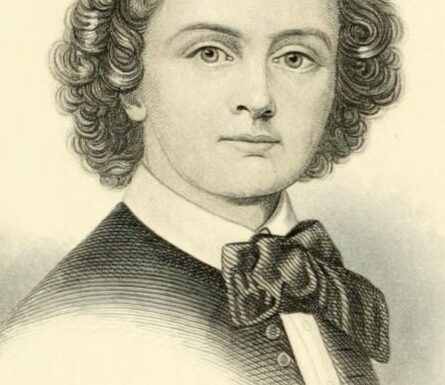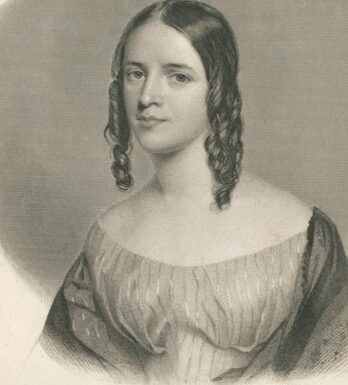
Erminnia Adele Platt Smith

Erminnie Adele Smith (April 26, 1836– June 9, 1886) was a geologist, linguist, and anthropologist. A CHILDHOOD ROOTED IN CURIOSITY Born on April 26, 1836, in Marcellus, New York, Erminnie Adele Platt grew up just a stone’s throw from the Onondaga Iroquois reservation. Her world was one of endless questions and boundless wonder. Picture a young girl with her skirts muddied from afternoons spent collecting rocks and wildflowers, her pockets brimming with nature’s treasures. She attended the Troy Female Seminary, a rare opportunity for women at the time, where her hunger for knowledge only grew. Even as a child, Erminnie was never satisfied with surfaceRead More →
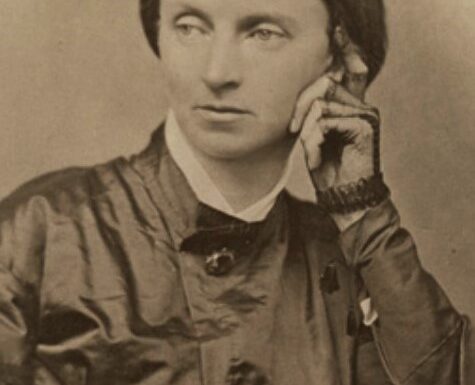
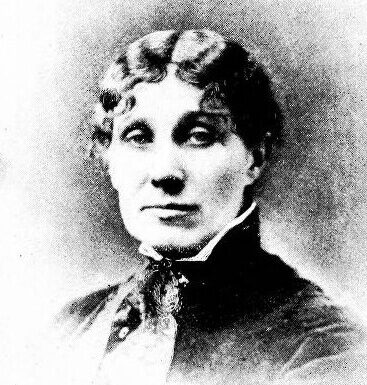
Helen Hamilton Gardener

Helen Hamilton Gardener, née Alice Chenoweth, (January 21, 1852 to July 26, 1925), made her mark on history, first as an author and Free Thought lecturer, and later as a key player in obtaining the vote for women. EARLY LIFE & STRIFE Born Alice Chenoweth in Winchester, Virginia, Gardener was the sixth child of an itinerant Methodist minister, whose family, in 1865, moved to Greencastle, Indiana, where they farmed. An avid learner, she was educated by tutors and grew up admiring her father, who had freed the slaves he inherited and then served as a scout in Virginia for the Union army. As the youngestRead More →

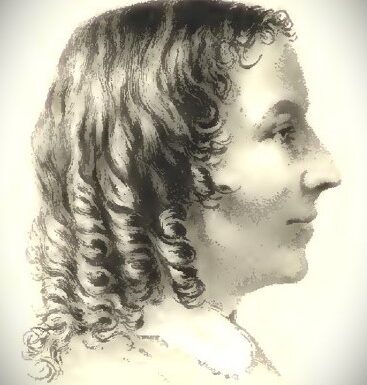
Dr. Henrietta Hyde, biologist

Educator, biologist, public health and women’s rights advocate Ida Henrietta Hyde (September 8, 1857, to August 22, 1945) was born in Davenport, Iowa, into a German-speaking immigrant family. Ida Hyde’s Early Life When she was young, her father abandoned her mother and four siblings. In 1871, the Chicago fire destroyed the family home, and as the oldest sibling, she became the breadwinner at age fourteen, working in a clothing factory and as a milliner. During this time, she paid for her only brother’s tuition at the University of Illinois and also took evening classes from 1875 to 1876. During this period, she read The ViewRead More →

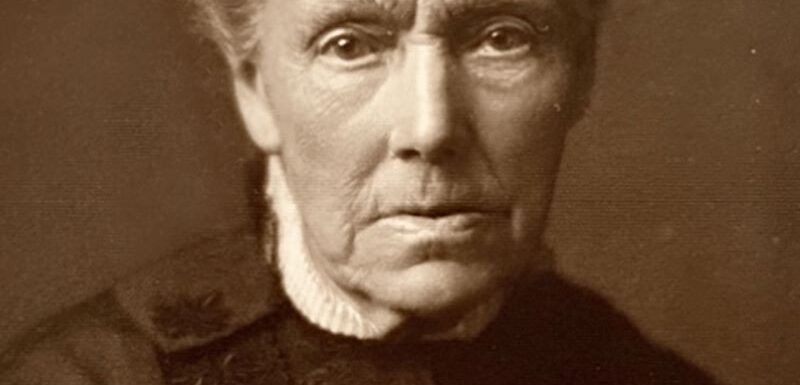
American sculptor, Vinnie Ream (1847*-1914), was the first woman and the youngest artist to receive a sculptural commission from the government of the United States. EARLY LIFE Born in a log cabin in Madison, Wisconsin, when it was little more than a hamlet, Vinnie Ream was one of the most well-known sculptors of the Gilded Age. Her father, Robert Ream, was a government surveyor who made the earliest maps of Nebraska, Iowa, Kansas, and Missouri. When the Civil War broke out, the Reams who were against slavery, moved to Washington City, where her father drew maps for the War Department, and Vinnie became one ofRead More →

Harriet Hosmer, Sculptor

Long forgotten, American sculptor Harriet Hosmer (1830-1908) successfully challenged the role of women to become one of the most popular artists of the nineteenth century, but she had to leave the country to do so. Early Life After losing her mother and three siblings to tuberculosis, Harriett’s physician father encouraged his last remaining child to pursue vigorous outdoor activities including horseback riding, fishing, and hunting, stuffing many of the animals she killed. She spent many hours in a clay pit modeling animals and figures and determined she would be a sculptor. A wild child, she was expelled from three schools until her father enrolled herRead More →

Ida C. Craddock

In honor of Banned Books Week, I am sharing more about Ida Craddock , the heroine of my novel Censored Angel. Bright and studious, Ida was an unlikely woman to become the enemy of Anthony Comstock. Upon rejection from the University of Pennsylvania, she decided to carry out her own research. She chose as her topic Female Sex Worship, motivated by the question of why there were no women ministers. This research and the pain and abuse women at the time experienced in their marriages, led her to write, lecture, and distribute a series of sex education pamphlets, intended to help men and women experienceRead More →

Jane Grey Swisshelm

JANE GREY SWISSHELM (December 6, 1815 -July 22, 1884) was a journalist, abolitionist, publisher, and advocate for women’s rights. Early Life Born in Pittsburg, Pennsylvania, she was raised by her widowed mother. Bright and energetic, she began as a teacher, but was drawn to journalism. After a difficult marriage to a farmer and a subsequent divorce, she moved to Minnesota and became editor and publisher of the St. Cloud Visiter. She was outspoken in her support of abolition, women’s rights, and against capital punishment. She was known to be full of righteous fury. For example, she hounded a Southerner who had moved to Minnesota withRead More →

Anna Cora Mowatt

American author, playwright, and actress, Anna Cora Mowatt Ritchie (1819–1870), challenged the mores of her era by acting on the stage at a time when the theater was railed against by the clergy, when female actresses were considered lewd, and when women, especially upper-class women such as herself, were supposed to remain at home caring for husband and children. Early Life Anna Cora Mowatt’s early life set the stage for her later accomplishments. Born tenth in a family of fourteen children, Mowatt spent her first six years in France. Her aristocratic, wealthy parents had links to the first families in New York and cherished writingRead More →

Dr. Anna Elizabeth Broomall

Anna Elizabeth Broomall (1847-1913) suffered name-calling, spit wads, and the anger of fellow male students in her battle to become a renowned physician of obstetrics. Anna Broomall was born in Upper Chichester, Pennsylvania to a well-to-do Quaker family. Her mother died in her infancy, and Broomall was raised by an aunt and uncle. Her father, John Broomall, a successful lawyer, and later U.S. Congressman, sent her to private academies in the area. She, at first, wanted to become a lawyer, but no opportunities existed at the time to study law. Instead, she decided to become a doctor. Her father, a supporter of women’s rights, encouragedRead More →

Elizabeth F. Ellet American writer

Throughout history, many important accomplishments by women have been overshadowed by the so-called scandalous things they have reportedly done. Elizabeth Fries Ellet (October 18, 1818 – June 3, 1877) is a perfect example of this. A noted writer and historian of her time, whose wide-ranging work is still consulted today, Ellet has gone down in history, not as a gifted writer, but as one contemporary blog maintains, “a bad woman.” This is despite the fact that all accounts of her “nasty” behavior were recorded by the men directly involved in the scandal. Ellet’s Background Born in Sodus, New York to a well-to-do physician’s family, ElletRead More →

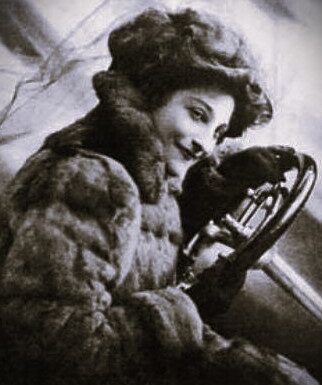
Dorothy Levitt

Called the “Fastest Girl on Earth”‘ and the “Champion Lady Motorist of the World, Dorothy Levitt (1882-1922) was Britain’s first female racing car driver. At a time when women were supposed to marry and stay at home, the unmarried Levitt offered a role model for the new independent Edwardian woman. Her opportunity to race came in 1902 when she was a secretary for the car-maker Napier and Son. The director, Selwyn Edge had a car salesman teach her to drive as a publicity stunt. But he didn’t reckon on her success as a race car driver. With her petite figure and stylish feminine dress, sheRead More →

Colonial era black woman

The women most often forgotten are those who come from times and places where they and their people are outcast and discriminated against. A resident of Hartford, Connecticut, Ann Plato (c. 1823 – ?) is one of these women. Although she was the first African American to publish a book of essays, very little is known about her. Researchers have identified her father, Henry Plato, as Native American, perhaps of the Algonquin, and her mother, Deborah, as African American. What little else we know of her comes from Reverend W. C. Pennington, pastor of the Colored Congregational Church of Hartford and first black graduate ofRead More →